Understanding Water Levels: Manti Irrigation Made Easy
Updated: Mar 9
Water management is crucial for successful agriculture, especially in regions like Manti where irrigation plays a vital role in crop production. Understanding water levels and how they affect irrigation can significantly enhance farming practices. This blog post will guide you through the essentials of water levels in Manti irrigation, making it easier for you to manage your water resources effectively.
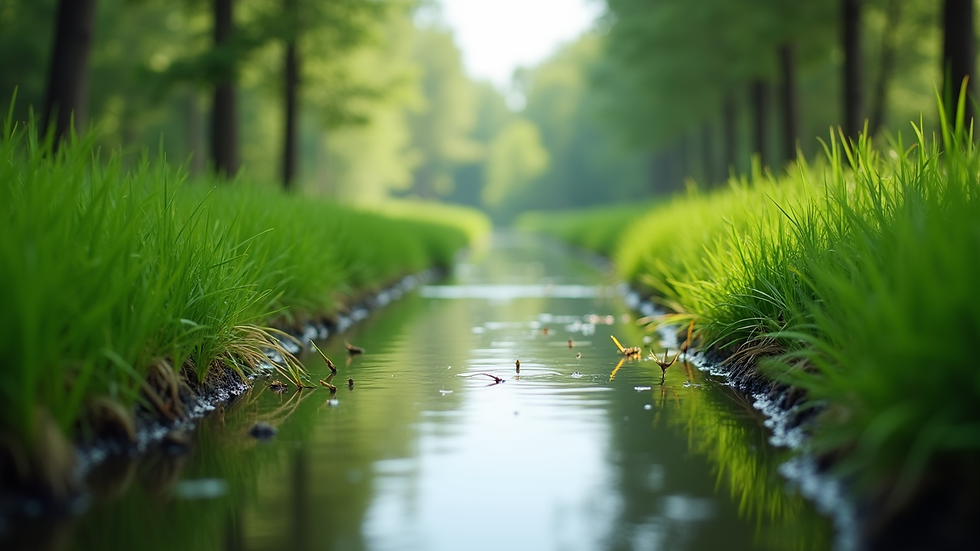
The Importance of Water Levels in Irrigation
Water levels are a fundamental aspect of irrigation systems. They determine how much water is available for crops and influence the overall health of the plants. Here are some key reasons why understanding water levels is essential:
Crop Health: Adequate water levels ensure that crops receive the necessary hydration for growth. Insufficient water can lead to stress, while excessive water can cause root rot and other issues.
Soil Quality: Proper irrigation helps maintain soil structure and fertility. Water levels that are too high or too low can degrade soil quality over time.
Resource Management: Understanding water levels allows farmers to manage their resources more efficiently, reducing waste and ensuring sustainability.
Types of Irrigation Systems in Manti
In Manti, various irrigation systems are employed, each with its own advantages and challenges. Here are the most common types:
Surface Irrigation
Surface irrigation involves distributing water over the soil surface, allowing it to flow to the roots of the plants. This method is often used in flat areas and can be highly effective if managed correctly. However, it requires careful monitoring of water levels to prevent runoff and ensure even distribution.
Drip Irrigation
Drip irrigation delivers water directly to the plant roots through a network of tubes and emitters. This method is highly efficient and conserves water by minimizing evaporation and runoff. Monitoring water levels is crucial to ensure that the system operates effectively and provides the right amount of moisture to the plants.
Sprinkler Irrigation
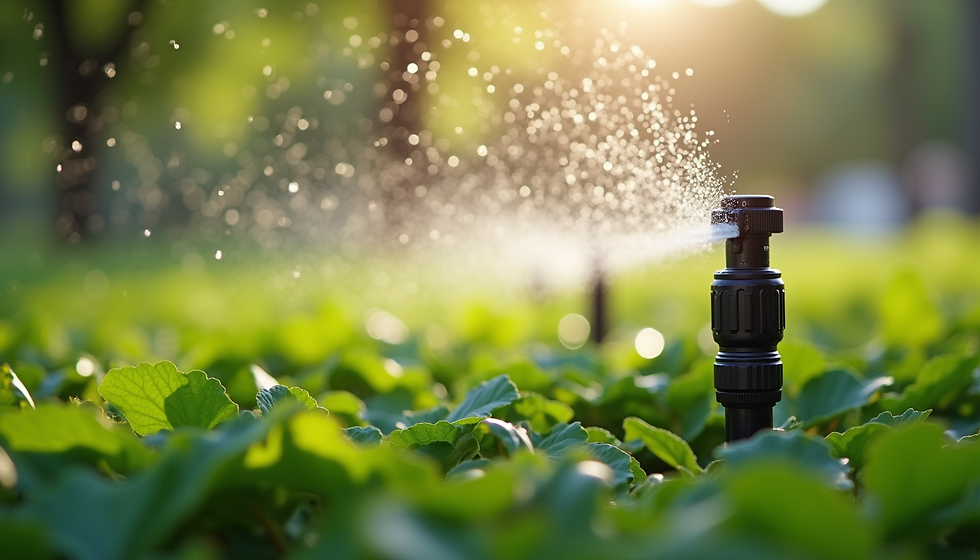
Sprinkler systems mimic natural rainfall by spraying water over the crops and vegetation. This method is versatile and can be used in various terrains. However, it requires careful management of water levels to avoid over-saturation and ensure that all areas receive adequate moisture.
Factors Affecting Water Levels
Several factors can influence water levels in irrigation systems. Understanding these factors can help you make informed decisions about water management.
Climate
The climate in Manti plays a significant role in determining water levels. Factors such as temperature, humidity, and rainfall patterns can affect how much water is needed for irrigation. For example, hotter temperatures may require more frequent watering, while cooler, wetter conditions may reduce the need for irrigation.
Soil Type
Different soil types have varying capacities for holding water. Sandy soils drain quickly and may require more frequent irrigation, while clay soils retain water longer. Understanding your soil type can help you determine the appropriate water levels for your crops.
Crop Type
Different crops have different water requirements. For instance, leafy greens may need more water than root vegetables. Knowing the specific needs of your crops can help you manage water levels more effectively.
Monitoring Water Levels
To manage water levels effectively, farmers in Manti should implement monitoring practices. Here are some methods to consider:
Soil Moisture Sensors
Soil moisture sensors can provide real-time data on the moisture levels in the soil. This information allows farmers to make informed decisions about when to irrigate and how much water to apply.
Water Level Gauges
Installing water level gauges in irrigation canals and reservoirs can help monitor water availability. This data is crucial for planning irrigation schedules and ensuring that crops receive adequate moisture.
Regular Inspections
Conducting regular inspections of irrigation systems can help identify issues that may affect water levels. Look for leaks, blockages, or other problems that could impact water distribution.
Best Practices for Water Management
Implementing best practices for water management can help farmers in Manti optimize their irrigation systems. Here are some strategies to consider:
Schedule Irrigation Wisely
Irrigate during cooler parts of the day, such as early morning or late afternoon, to reduce evaporation. This practice ensures that more water reaches the plants and minimizes waste.
Use Mulch
Applying mulch around plants can help retain soil moisture and reduce evaporation. This practice not only conserves water but also improves soil quality.
Rotate Crops
Crop rotation can improve soil health and reduce the risk of pests and diseases. By planting different crops in succession, farmers can optimize water use and enhance overall productivity.
Conclusion
Understanding water levels is essential for effective irrigation management in Manti. By recognizing the importance of water levels, the types of irrigation systems available, and the factors that influence water availability, farmers can make informed decisions that enhance crop health and sustainability. Implementing monitoring practices and best management strategies will further support efficient water use, ensuring that Manti remains a thriving agricultural community.
As you move forward, consider how you can apply these insights to your own irrigation practices. Whether you are a seasoned farmer or just starting, understanding water levels will empower you to make better decisions for your crops and the environment.

Comments